Procerin vs Finasteride: Which Hair Loss Treatment Is Right for You?
Procerin and finasteride both target the same pathway (DHT-driven follicle miniaturization), but they approach it from fundamentally different angles. Finasteride is a pharmaceutical 5-alpha-reductase inhibitor with the strongest clinical data of any single hair loss treatment. Procerin is a multi-compound natural DHT blocker backed by an IRB-approved study. The right choice depends on your stage of loss, your risk tolerance, and how you weigh efficacy against side effects.
This comparison breaks down the numbers honestly. Finasteride wins on raw efficacy. Procerin wins on safety profile. Understanding the trade-off is what matters. For a deeper look at how DHT causes hair loss and why blocking it is the foundation of treatment, dhthairloss.info covers the full mechanism.
Procerin vs Finasteride vs Combination
| Factor | Procerin | Finasteride | Combination (Both) |
|---|---|---|---|
| Type | OTC natural supplement + topical | Prescription pharmaceutical | Natural systemic + Rx topical or oral |
| Active Mechanism | Multi-compound 5-AR inhibition (saw palmetto, beta-sitosterol, pumpkin seed) | Type 2 5-alpha-reductase inhibition (single compound) | Multiple DHT pathways targeted simultaneously |
| Efficacy Rate | ~38% show improvement (IRB study) | 83% maintained or regrew (Phase III trials) | ~94% improvement (published combination data) |
| Side Effects | No reported sexual side effects | 1-2% sexual dysfunction risk | Depends on Rx component used |
| Cost/Month | ~$40 | ~$15-30 (generic) | $55-70 |
| Requires Rx | No | Yes | Partially |
| Best For | Early stage (Norwood I-III), side-effect-averse men | Moderate loss (Norwood III-V), maximum efficacy priority | Men wanting highest probability of results |
Efficacy rates come from different study designs and populations. Direct head-to-head comparison between Procerin and finasteride has not been conducted. The 94% combination figure comes from Hu et al. (2015) studying finasteride + minoxidil, not Procerin specifically. Use these numbers directionally, not as precise predictions for your individual outcome.
Our Honest Assessment
Who Should Choose Procerin
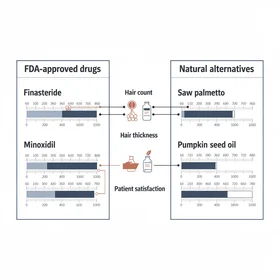
Procerin makes the most sense for men at Norwood I through III who are catching hair loss early and want to act without pharmaceutical risk. If you are under 40, noticing early thinning, and concerned about finasteride's side effect profile, starting with Procerin is a rational first move. The 90-day money-back guarantee reduces financial risk. You can always escalate to finasteride later if natural management proves insufficient.
Men who previously tried finasteride and experienced side effects are also strong candidates for Procerin. It addresses the same pathway through a gentler mechanism.
Who Should Choose Finasteride
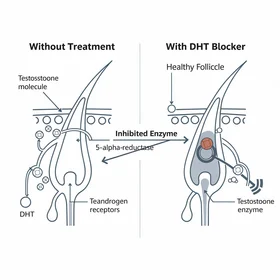
Finasteride is the stronger tool for men with moderate to aggressive hair loss (Norwood III-V) who need maximum DHT suppression. If your loss is progressing rapidly and you want the highest single-agent efficacy backed by decades of Phase III data, finasteride delivers. The 1-2% side effect risk is real but affects a minority. Most men tolerate it without issues.
Men who have used natural options for 6+ months without sufficient results should consider finasteride as the logical next step.
The Combination Approach
For men who want the best statistical outcome, combining a natural DHT blocker with either minoxidil or a prescription option targets the pathway from multiple angles. This produces the highest improvement rates in published research. For an independent deep-dive on Procerin's clinical data, see independent Procerin reviews.
What to Watch Out For
Limitations and Considerations
- No hair loss treatment is a cure. Both Procerin and finasteride manage an ongoing process and require continued use.
- Finasteride carries documented sexual side effects in 1-2% of users. A small subset reports persistent effects after stopping.
- Natural DHT blockers are less potent. Men with aggressive loss may not see sufficient results from Procerin alone.
- Neither product can restore fully miniaturized (dormant) follicles. Results depend on starting early.
- Consult a healthcare provider before starting finasteride, especially if you have a history of depression or sexual health concerns.
Looking for a Natural DHT Blocker?
See our ranked guide to the best natural DHT blockers by clinical evidence.
Best Natural DHT Blockers